Last-Mile Employee Transportation in Egypt
Close the Gap Between Talent and Location.
First and last-mile transport solutions connecting Egypt's workforce to business districts free zones and industrial corridors.





Last-mile workforce connectivity is so complex
Talent pool restrictions
Without feeder routes, businesses can only hire staff who own a car or live close by, shrinking the talent pool.
Underperforming routes
Shuttles run without demand data pay for underused routes and miss the residential corridors where staff live.
Public transit gaps
Smart Village, New Cairo, the New Administrative Capital and Cairo's industrial zones sit far from commuter routes.
No scalability
When headcount grows or offices move, renegotiating feeder routes with contractors adds delays, gaps and cost.
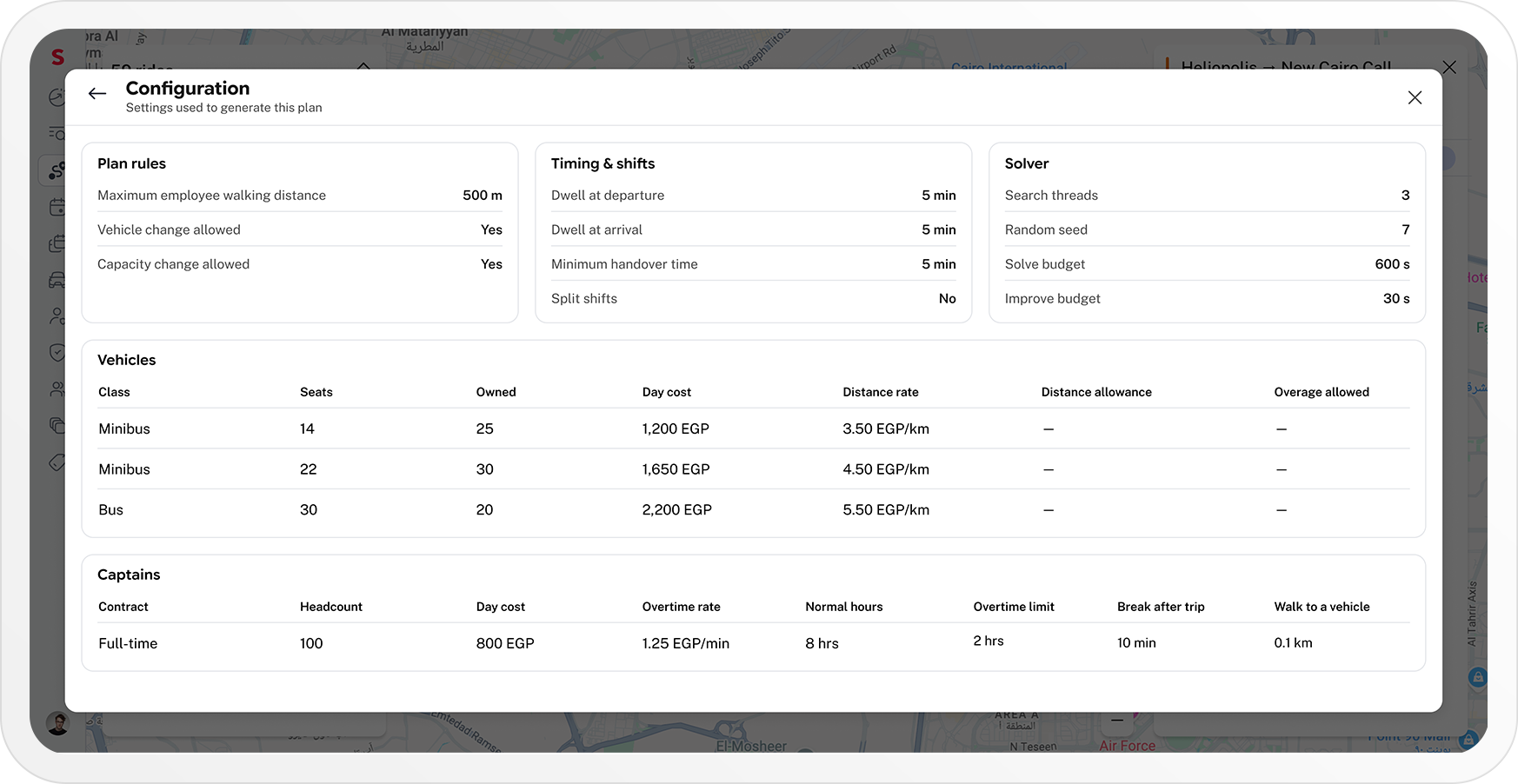
That's where we come in. Purpose-built for last-mile workforce connectivity.







A mobility partner you can rely on.
Route intelligence
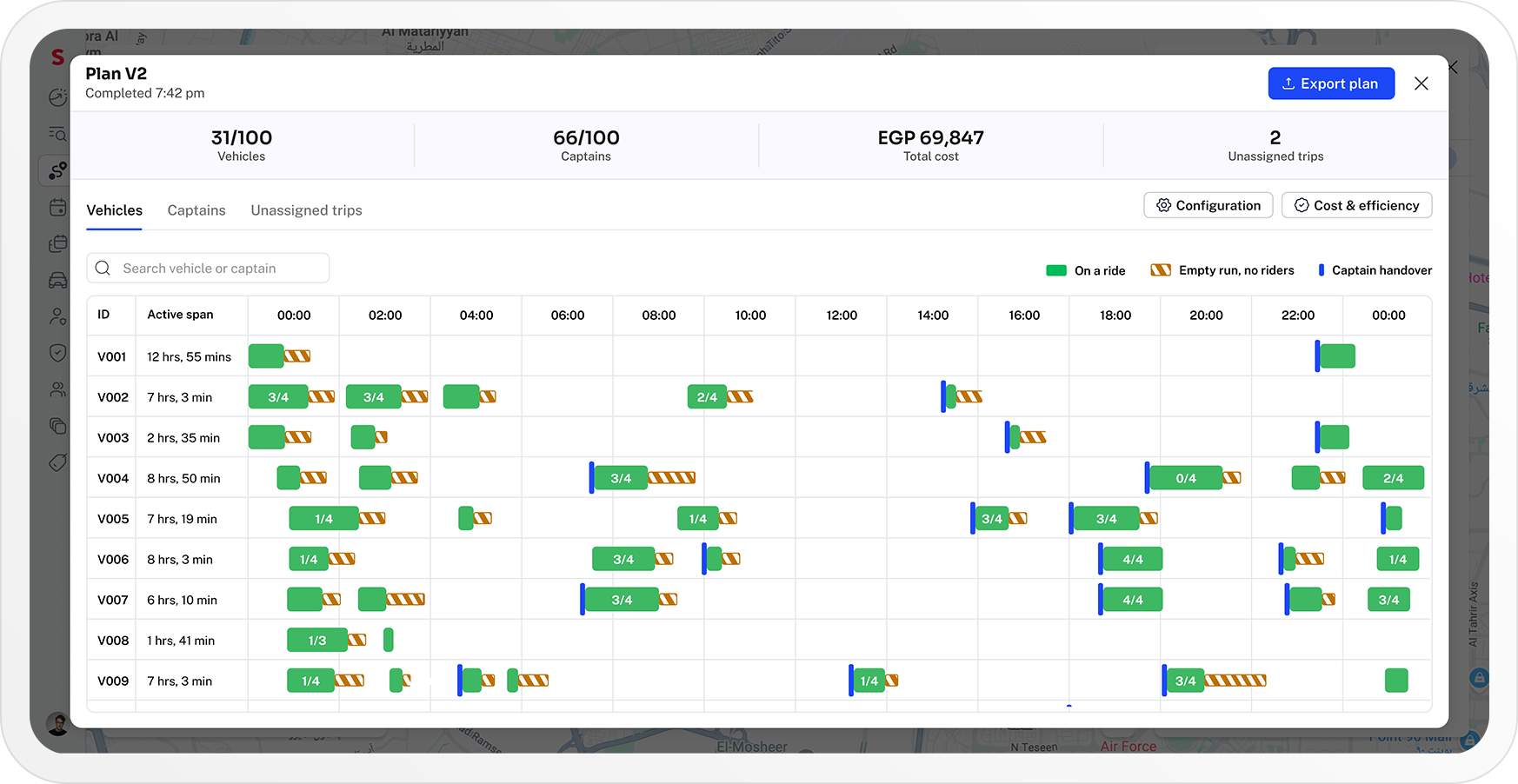
Swvl maps where your employees live and builds an efficient feeder network that updates whenever headcounts change.
Real-time tracking
Employees track their feeder shuttle in real time on the Swvl app, cutting wait times at every last-mile pickup.
Occupancy optimization
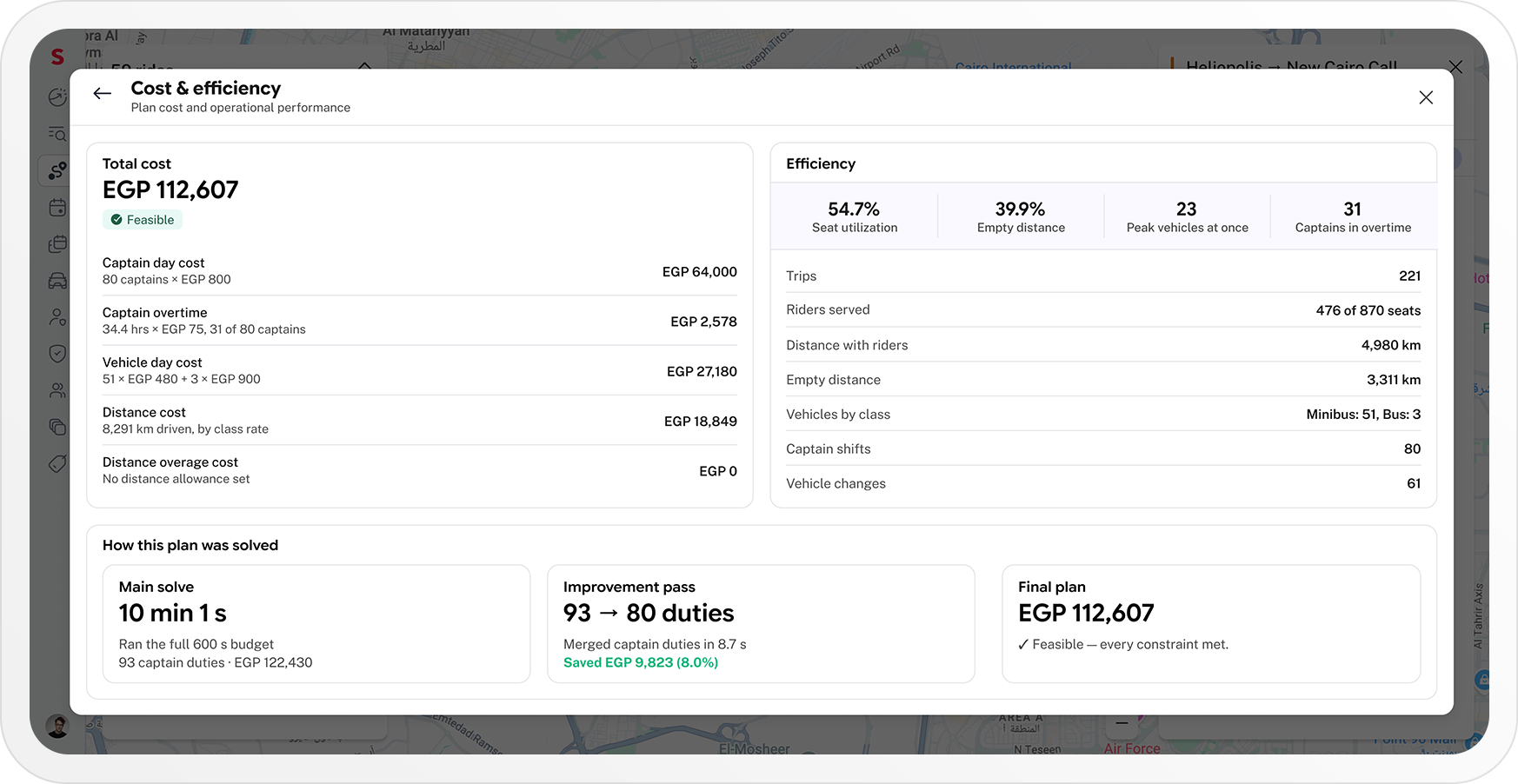
Every route is monitored for seat utilization, so underused feeder shuttles are resized before they waste budget.
Admin dashboard
HR and operations run the whole feeder network from one platform, with cost, boarding and route performance data.
Contact sales
The Impact on Your Operations.
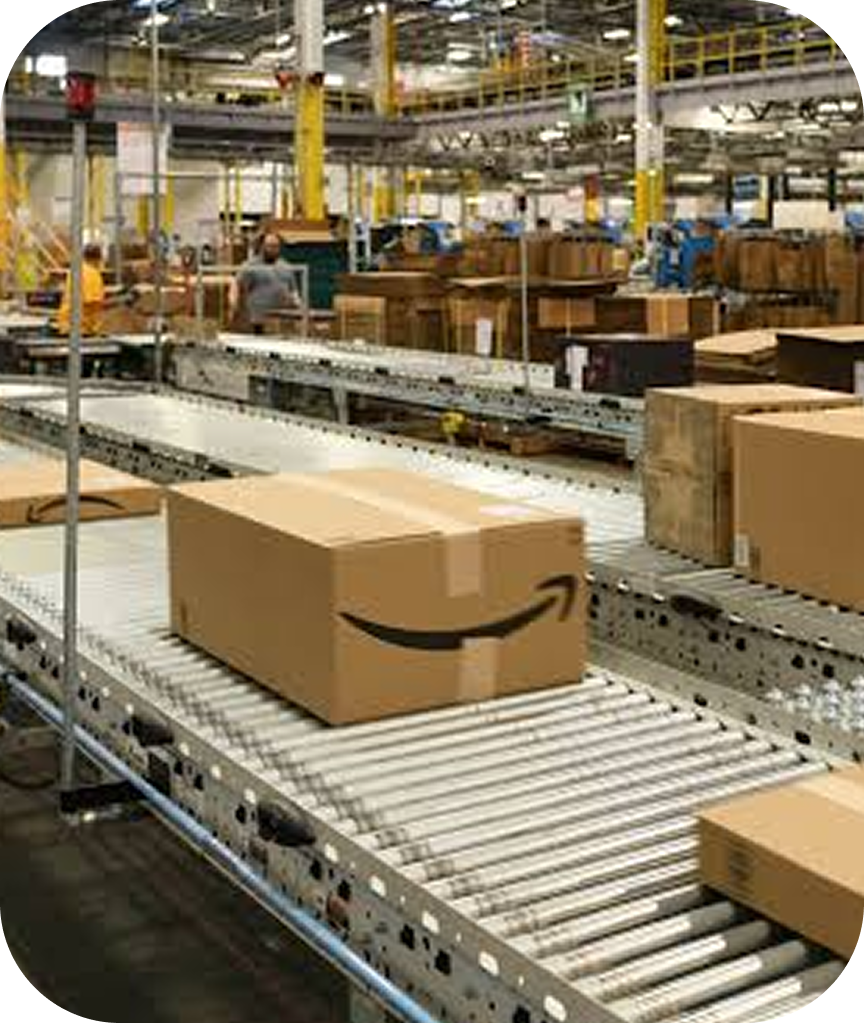

Optimized employee transportation through intelligent dispatch and dynamic ride allocation. Average seat utilization rose to 55% and driver punctuality reached 97.97% OTA, improving employee satisfaction while cutting fleet inefficiencies and operating costs.

55%
Seat Utilization Increase

“Swvl’s transformed our commute planning. Reservation Controls and Dynamic Allocation gave us the visibility and flexibility we needed.”
Ahmed Sabbah
CEO - Telda
CEO - Telda
25%
Seat Utilization Increase

Enhanced workforce transportation operations through dynamic routing and real-time dispatch, reducing missed clock-ins by 16%, improving staff coverage at shift start times, and minimizing service escalations and SLA violations.
16%
Decrease in monthly spend.